
Sakamoto: 1996
Catalog Number: CA21226
Sample rate
96000 Hz
Sakamoto: 1996
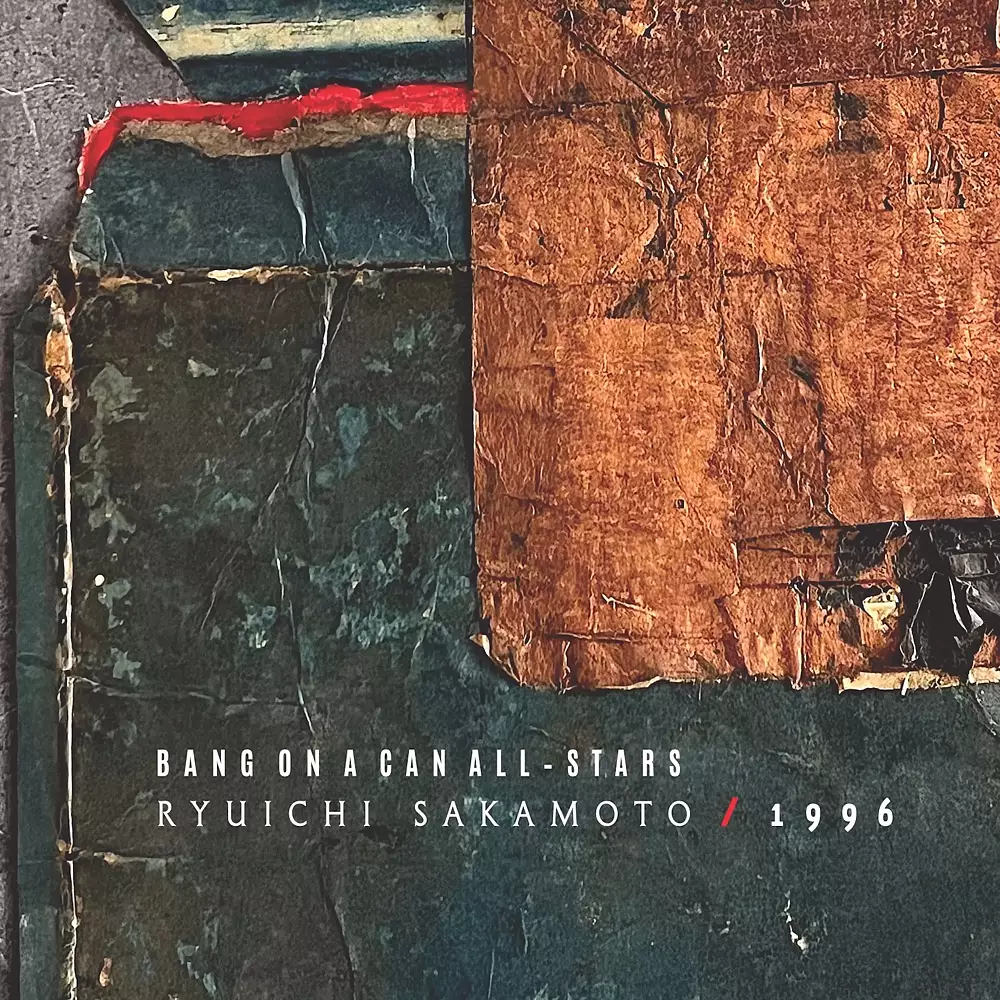
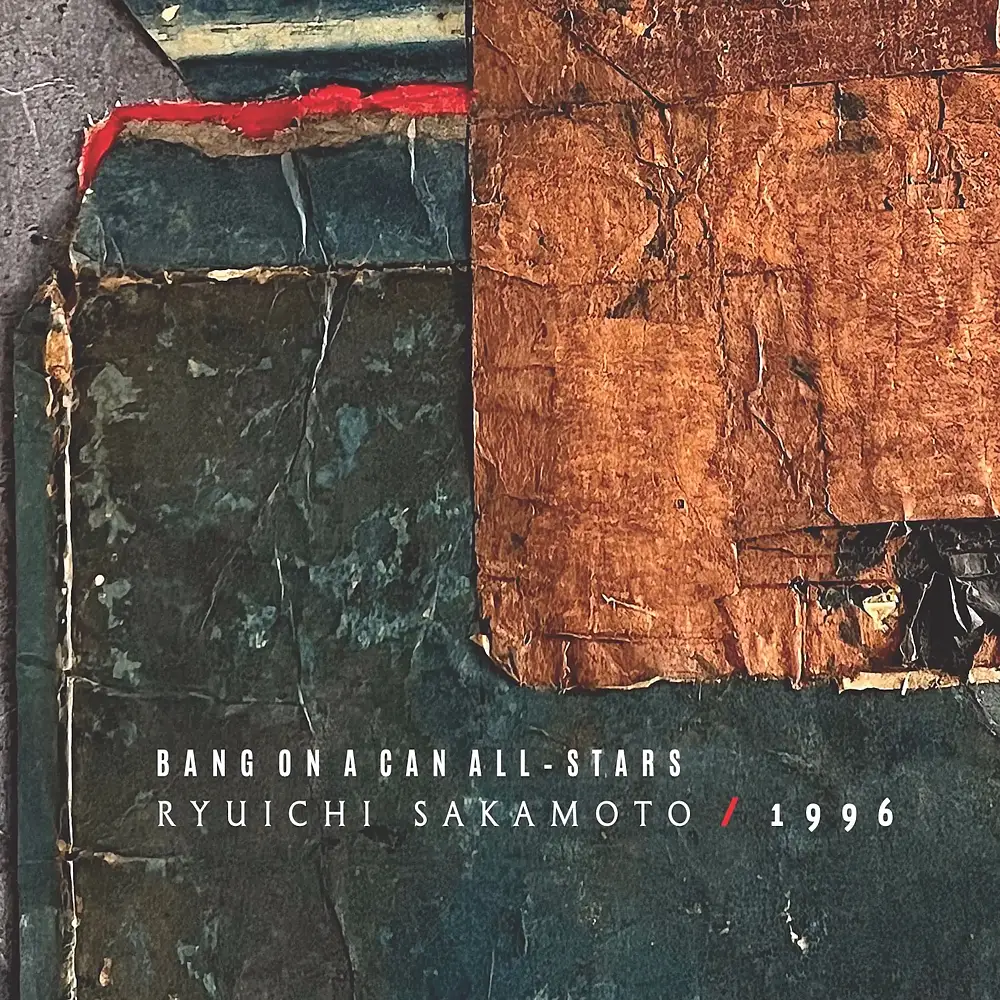


One of Japan’s most beloved composers, Ryuichi Sakamoto became known in the US through his collaborations with David Bowie, and later for his blockbuster film soundtracks from The Last Emperor to The Revenant. Sakamoto reinvented himself regularly, creating influential work in techno, ambient, jazz, latin, classical, experimental, and countless other genres. While his career took him from his early band Yellow Magic Orchestra to his later work as one of the most important film composers of his generation, he also released more than two dozen solo records.
Of these, we chose to focus on the album 1996, in which he reworked many of his preexisting pieces for a trio of a violinist, cellist and himself as the pianist. Because we’re also a chamber group, this album was our clue as to which of his pieces he felt were most important to be heard in this setting. And in “1919,” one of the two new works he wrote for the record, he deliberately nods to the American minimalists — composers with whom we have a close relationship.
Arranging these works was a rewarding challenge. Though my main focus was the 1996 studio album, I also studied other versions. Sometimes these were live videos; often they were completely different recordings of the same pieces, from different projects with different bands. While researching all the performances, I searched for the common thread and realized that though Sakamoto himself would re-contextualize his own work relentlessly over the years, his harmonies stayed the same. I found that by focusing on the precise details of every chord and staying laser-focused on transcribing every inner voice, we could do his compositions justice. The work sounded like his.
After the initial analysis and transcription, I began making arrangements that worked for the Bang on a Can All-Stars’ unique instrumentation. Having been a member of the band since 2014, I was able to tailor the arrangements to my colleagues' individual sound — what they love to play, and what they sound great doing — and hopefully bring a new perspective to these works while honoring the originals.
When the arrangements were ready, we began the long rehearsal process. As a group, we’re accustomed to playing music from different genres, but one thing that’s always non-negotiable is playing in time and with precise rhythm, because much of our music requires this unrelenting precision. However, many of Sakamoto’s works need to be treated in exactly the opposite way. Sakamoto as a composer and pianist was emotional — he bent time; he improvised; sweat poured out. To harness his music, we had to access a hidden part of our own collective musicality. We had to push and pull the time of the music, and emote his gorgeous melodic lines. In many ways, this record documents another development of us as a band as we take a new look at these classics.
PS: “Thousand Knives,” the title track of Sakamoto’s first album as a leader, is not on the original 1996 album. We began playing it live as an encore, and had so much fun with it, we thought we’d add it to the record.
— Ken Thomson, 2026
Published date
2026-11-20
Number of discs
1
Sample rate
96000 Hz
Channels
stereo:24:2.0
Made in Sweden since 1999. In collaboration with Textalk.
Cart
| Artikel | Antal | Beskrivning | a pris | Totalt |
Env.session:
NULL


Env.order NULL


string(2) "en"


collector.CheckoutUrl


collector.OrderItemCount
0

collector.CartUrl
NULL


collector.Order
NULL